
BREAKING ROCKs,
BREAKING BIAS.
One woman's journey through loss, determination, and a male-dominated industry
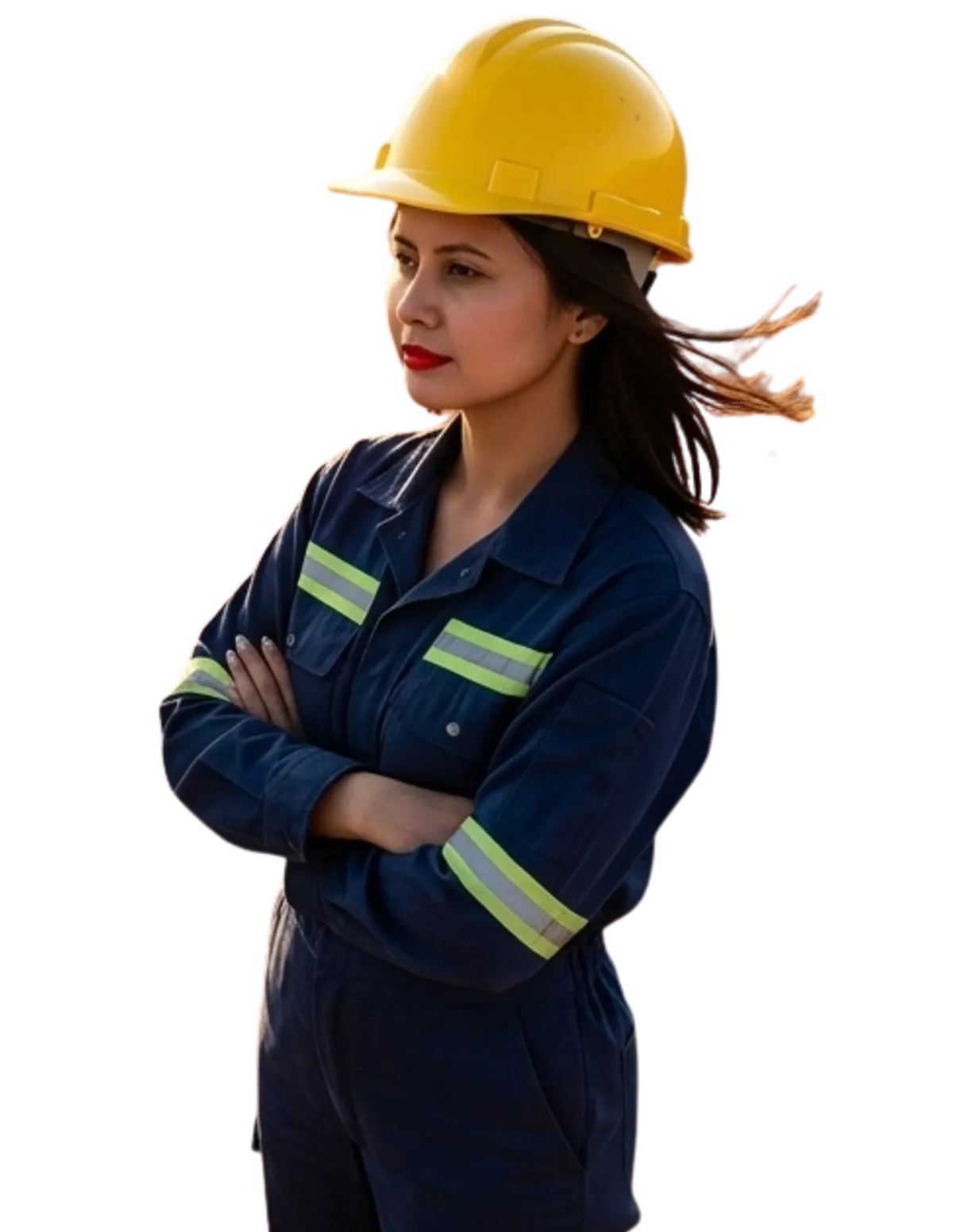

The quarry wakes before sunrise. By the time light touches the pile of crushed rocks, April Cheen Melana is already there, helmet on, vest secured, eyes scanning the operation. To the men working around her, she is simply "Engineer." But beneath that title lies a story written not in boardroom reports, but in cafeteria sinks, dance troupe costumes, and a sister's quiet sacrifices.
01 The Girl Who Learned to Hustle
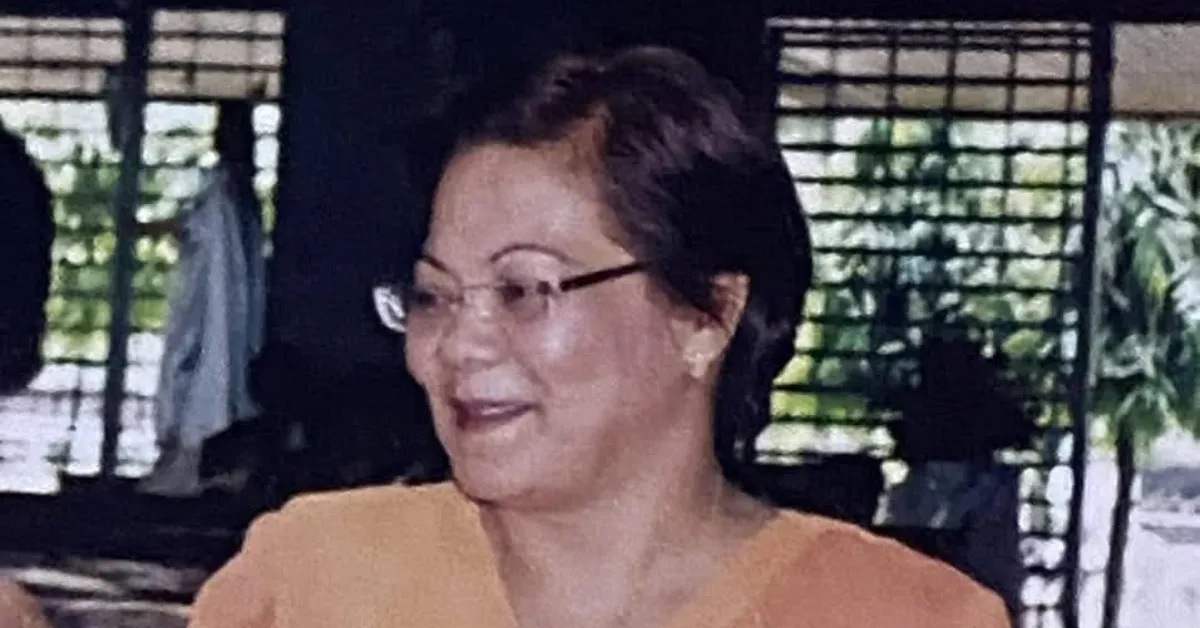
April was still in elementary when her mother, a public school teacher, passed away. The loss was not just emotional, it was financial. With limited income from her father, young April learned early that survival required movement.
She helped at her aunt's cafeteria, serves as a cashier and serving food in exchange for daily allowance. On weekends and after school, she joined dance troupes, performing at local events for extra money. These were not hobbies. They were lifelines.

02 The Girl Who Learned to Hustle
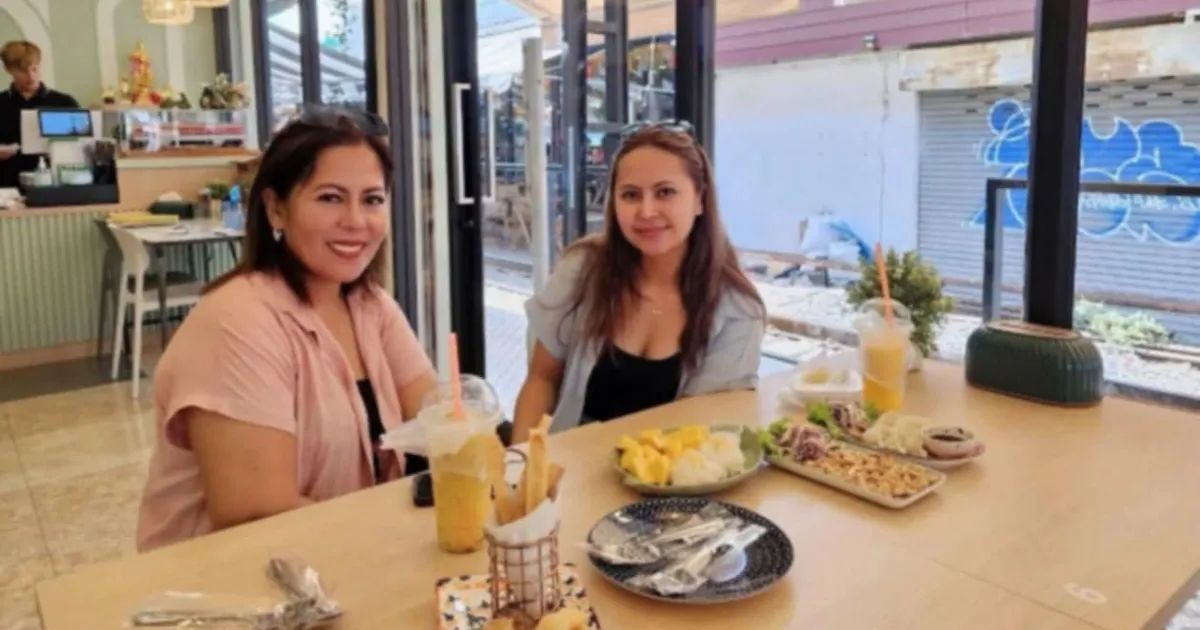
When April entered college, the struggle followed. Tuition was a constant worry. Her sister stepped in, working to fund April's education. Engineering was unforgiving witth long nights, complex problems, a field where women were rare. Of the more than 20 students who started with her, only 7 graduated. April was one of them.
She passed the board exam on her first attempt, a feat that surprised everyone except those who knew how long she had been preparing, not just in review centers, but in every small sacrifice along the way.

03 The Only Woman in the Room
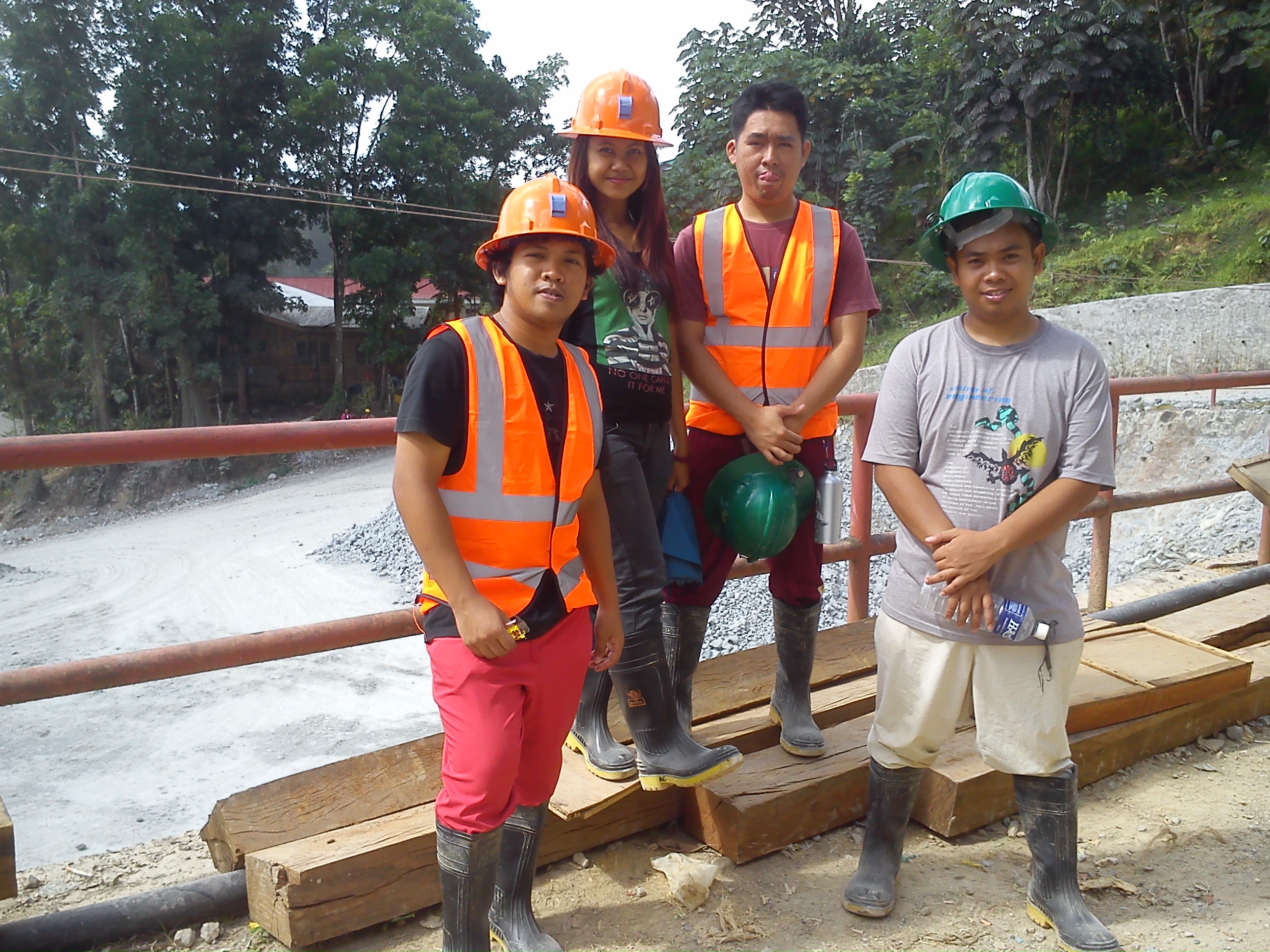
The mining industry did not welcome her with open arms. April walked into spaces where hard hats outnumbered women's voices. Colleagues doubted. Some ignored her instructions. Others assumed she was in administration, not operations. But she learned to let competence speak louder than words. She studied the machines, understood the process, and answered questions before they were asked. Slowly, the room stopped seeing her gender and started seeing her work.
04 Quiet Authority
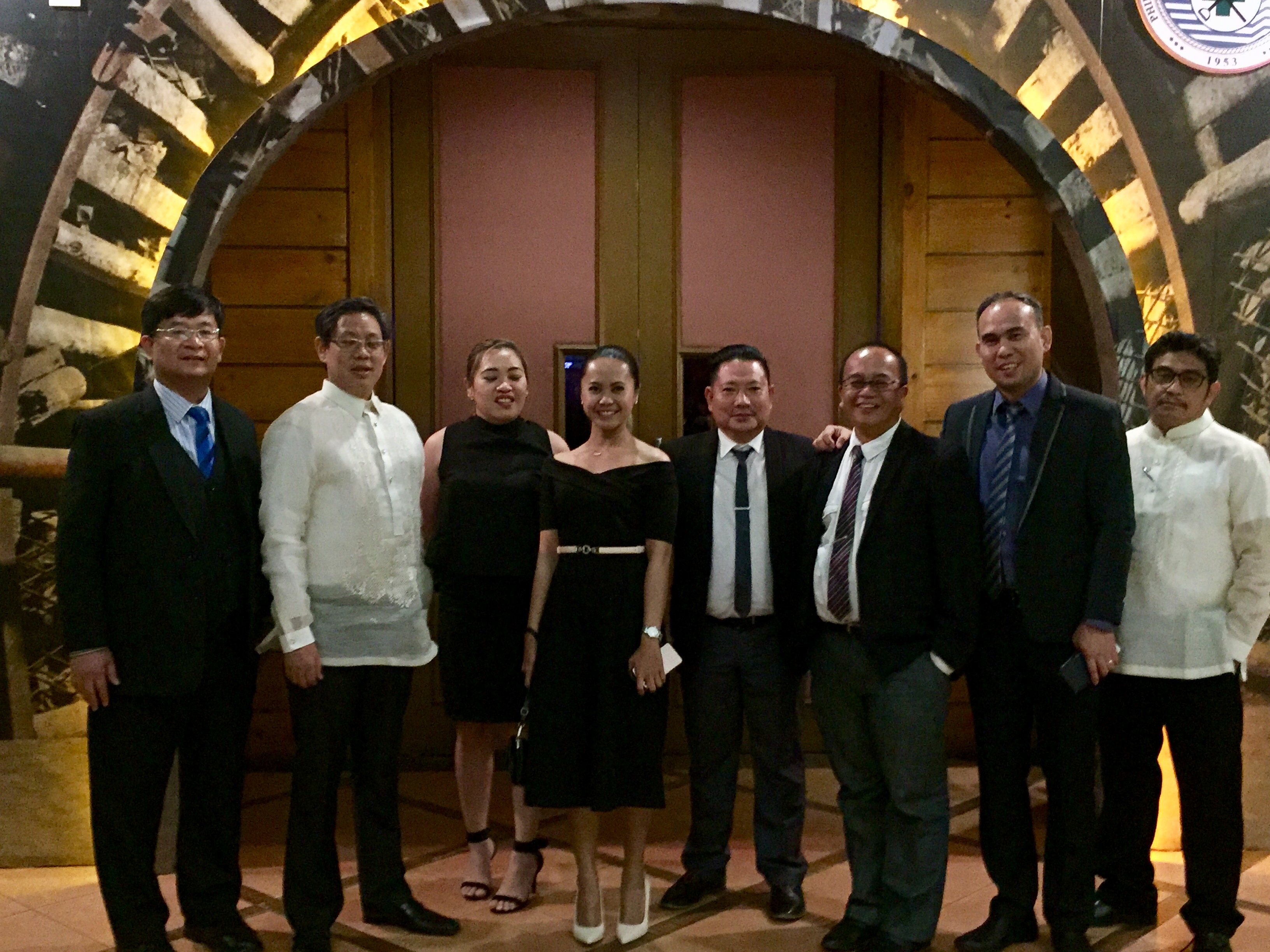
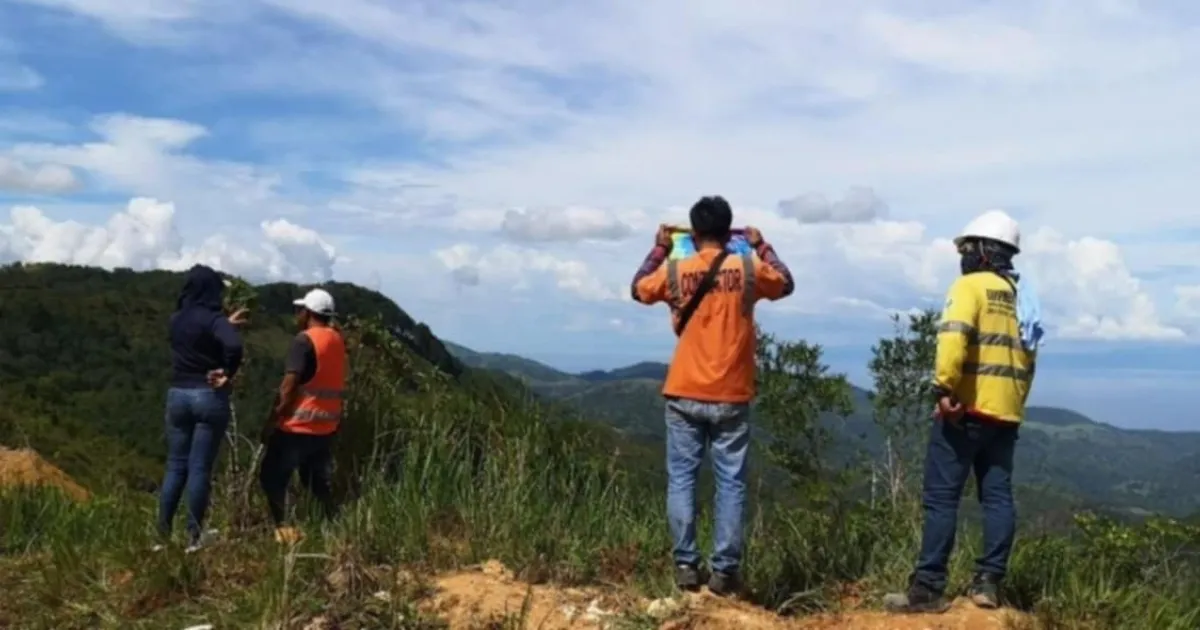
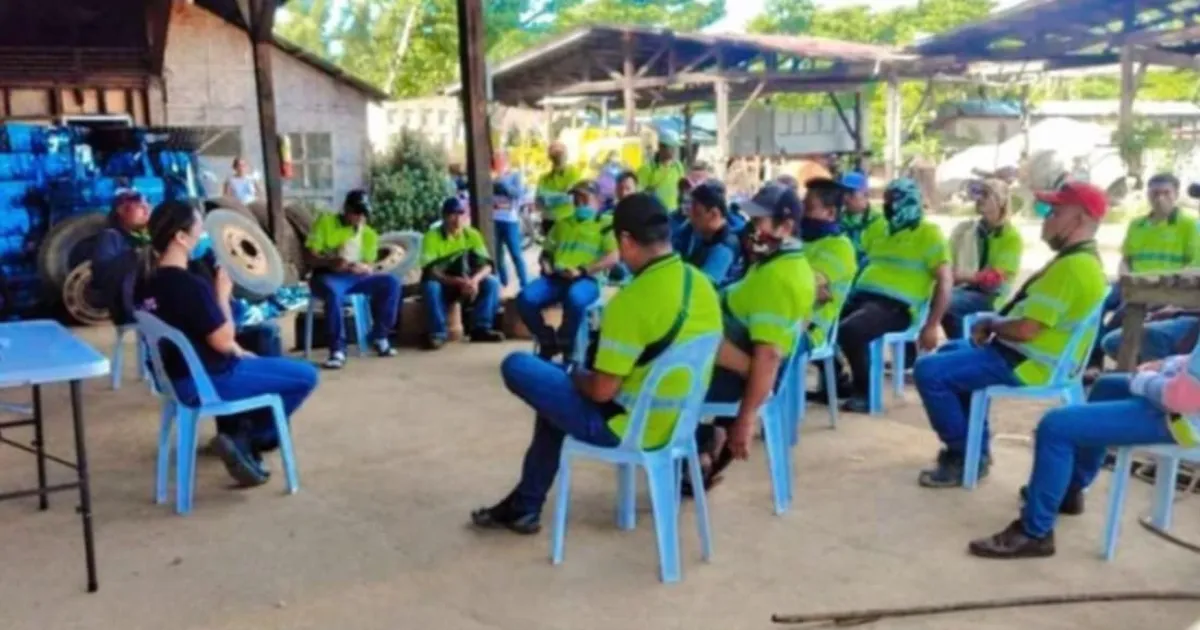
Today, April is a Production Manager and Consultant. She oversees operations, manages teams, and ensures that rocks become resources. She does not need to raise her voice to be heard. Her presence alone carries weight—earned through years of showing up, proving herself, and refusing to leave. Younger women in the industry now see her and imagine themselves in her place. That, she says quietly, might be her proudest achievement.
05 "Every Step Matters" ( April's Interview)
"I DIDN'T JUST STUDY ENGINEERING. I STUDIED HOW TO SURVIVE WHILE DOING IT"
"MY SISTER BELIEVED IN ME WHEN I HAD NO REASON TO BELIEVE IN MYSELF"
"PEOPLE SEE THE HELMET AND THE TITLE. THEY DONT SEE THE YEARS OF SMALL STEPS"
06 Breaking Barriers Beyond the Quarry
April's story is not just about one woman's success. It is about what representation looks like in industries where women remain invisible. In the Philippines, only 1 in 3 STEM graduates are women. Fewer still enter heavy industry.
April's presence challenges assumptions, not through activism, but through quiet existence in a space not built for her. Her story proves that gender equality is not just policy. It is personal. It is a sister's sacrifice. It is a dancer's discipline. It is showing up, again and again, until the industry forgets to be surprised you're there.

07 Sunset at the Quarry
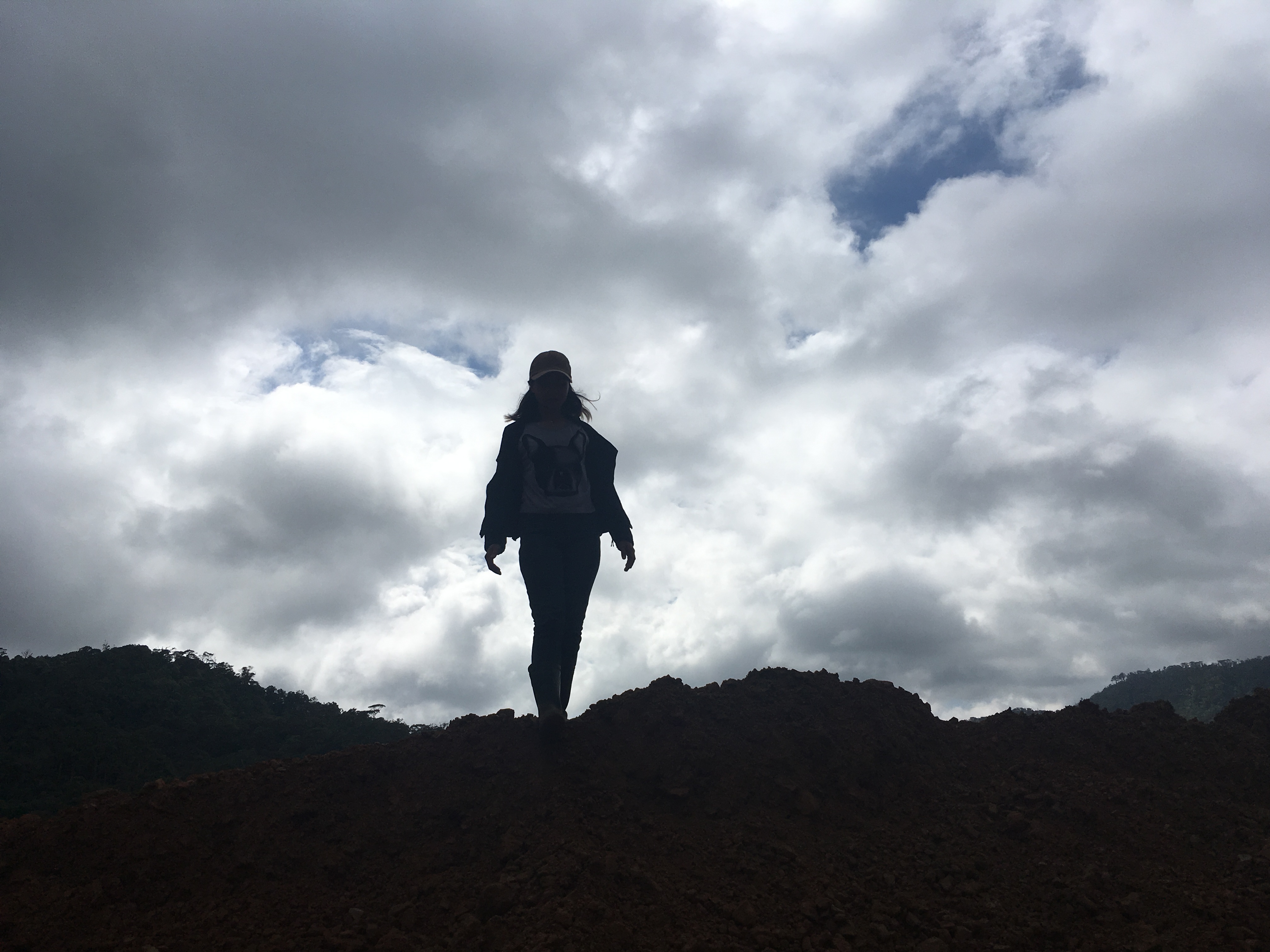
The quarry at sunset is quieter. Machines slow down. Dust settles. April removes her helmet and wipes her face, a small gesture she has repeated thousands of times. But tonight, it carries weight. Behind her, the rocks wait for tomorrow. Ahead of her, a generation of young girls waits to see themselves in her hard hat. She walks toward her car, ready to do it all again.